
Raising Readers in a Screen Age
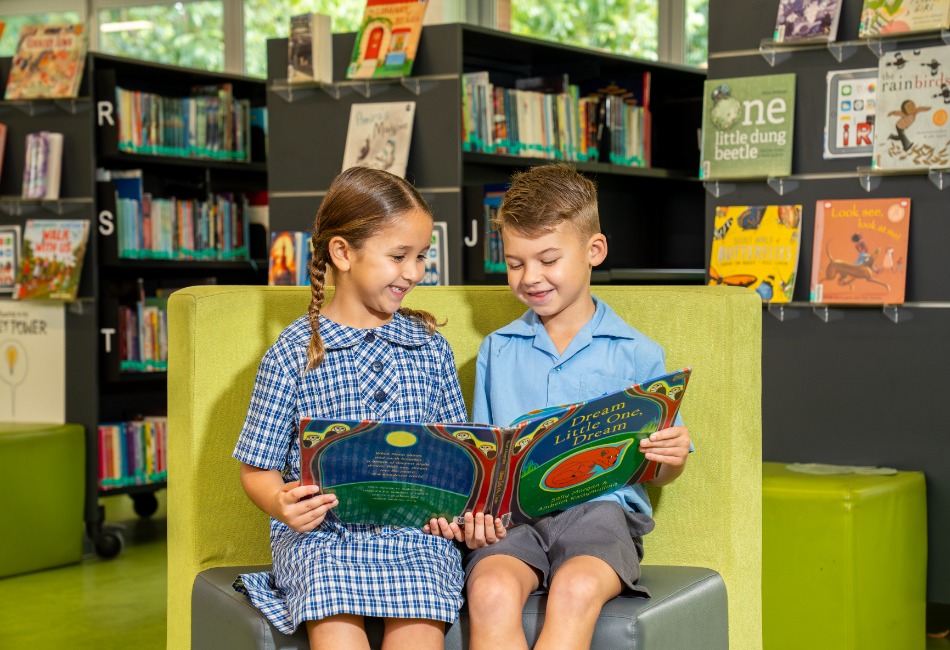
Somewhere between bedtime stories and high school homework, many parents notice a shift: the child who once devoured books now seems glued to a screen.
If that sounds familiar, you're not alone.
The teenage years are often when reading for pleasure starts to decline, replaced by social media, streaming, gaming and busy schedules. But staying connected to reading matters more than ever. It builds vocabulary, imagination, empathy, confidence and communication skills, while supporting learning across all subjects.
The good news? Raising a reader doesn't mean battling over books or banning screens. It's about making reading feel enjoyable, relevant and part of everyday life.
Why reading still matters more than ever
Reading does far more than build literacy. It shapes how children think, learn and understand the world.
Regular readers develop stronger vocabulary, comprehension and critical thinking skills, along with imagination, creativity and empathy. These benefits support stronger academic outcomes across all subjects.
Reading also supports wellbeing. It gives young people space to slow down, step away from screens and become absorbed in stories in a way that is calming and restorative.
Start early, but don't stop there
In the primary years, reading together helps build strong foundations. Sharing stories, asking questions ("What do you think happens next?") and talking about characters keeps reading fun and engaging.
But as children move into secondary school, reading habits can shift and many parents understandably step back.
"Reading for pleasure often dips in the teenage years, but that doesn't necessarily mean teens aren't reading, perhaps just differently," explains Adam Moore, Curriculum Specialist at Sydney Catholic Schools.
"By tapping into pop culture, parents can help turn 'I don't like reading' into 'Wait, there is a book about that?'"
Rather than focusing on whether your child has 'done their reading', connect books to interests. Sport, gaming, mystery, fashion, history or true crime — there's a book for almost every passion.
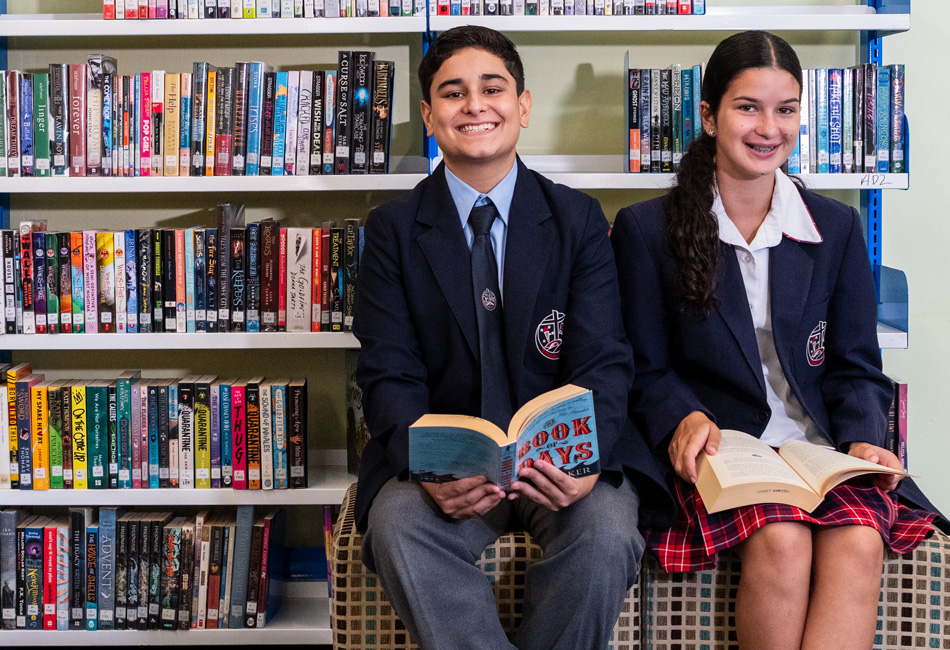
Let them read what they love
One of the fastest ways to switch teens off reading is limiting what 'counts'.
Graphic novels, fantasy, non-fiction, magazines, audiobooks and e-books all support reading development. A teen who reads fantasy or listens to audiobooks is still building vocabulary, comprehension and imagination.
The key is ownership — helping young people find stories they genuinely want to read.
Make reading part of everyday life
Children notice what adults do. If they see constant scrolling, reading can feel like a chore. But seeing adults read books, newspapers, recipes or audiobooks, sends a powerful message that reading matters.
Simple ideas help:
- Keep books visible around the home
- Create a cosy reading space
- Share reading time occasionally
- Leave books in easy, everyday places
Use technology positively
Screens don't have to be the enemy. In fact, when used well, technology can help bring reading to life.
As Jaqueline Simpson from Sydney Catholic Schools explains, "Audiobooks can enrich the reading experience by modelling rhythm, tone, and phrasing, elements that bring a story to life."
For reluctant readers in particular, audiobooks and e-books can be a game changer, making stories more accessible while travelling, walking, or relaxing. Reading apps, online book communities, and school reading challenges can also help make reading feel more social, interactive, and engaging.
Keep it positive
Most importantly, avoid turning reading into a battle.
Talk about books, share recommendations and celebrate what your child enjoys. The goal isn't perfect readers, rather lifelong readers who see reading as enjoyable and worthwhile.
In a fast-moving, screen-filled world, raising a reader is still one of the greatest gifts we can give our children.
Reading recommendations
Finding the right story can be the first step in helping children rediscover a love of reading. See below for our top picks:
Ages 5–9
- The Gruffalo – Julia Donaldson
- Possum Magic – Mem Fox
- WeiDo – Anh Do
- Where is the Green Sheep? – Mem Fox
- The Truck Cat – Deborah Frenkel & Danny Snell
Looking for more? Download our complete Early Primary Reading List
Ages 10–12
- Wonder – R.J. Palacio
- Percy Jackson and the Lightning Thief – Rick Riordan
- Nevermoor – Jessica Townsend
- Blueback – Tim Winton
- The Happiest Boy on Earth – Eddie Jaku
Download the complete Middle Years Reading List.
Ages 13+
- The Hunger Games – Suzanne Collins
- The Inheritance Games – Jennifer Lynn Barnes
- Tomorrow When the War Began – John Marsden
- Tiger Daughter – Rebecca Lim
- The Book Thief – Markus Zusak
Download the complete Teen Reading List
Recommended listening: Great audiobooks for reluctant readers – Download the List here
Cultivating wonder, wisdom and witness, Sydney Catholic Schools form the whole child through excellence in learning, faith, vocation, sport and the arts.
