
Key takeaways from Boston College’s transformative visit
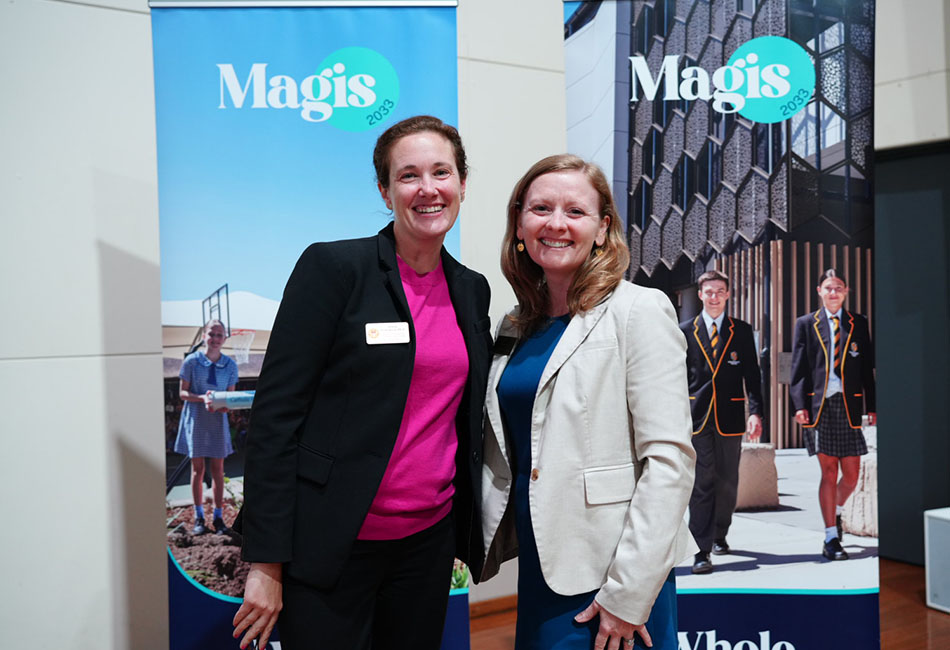
Sydney Catholic Schools this week welcomed researchers from Boston College’s Roche Center for Catholic Education to bring global insight into how Catholic education can enrich spiritual life, strengthen community, and foster whole-person growth.
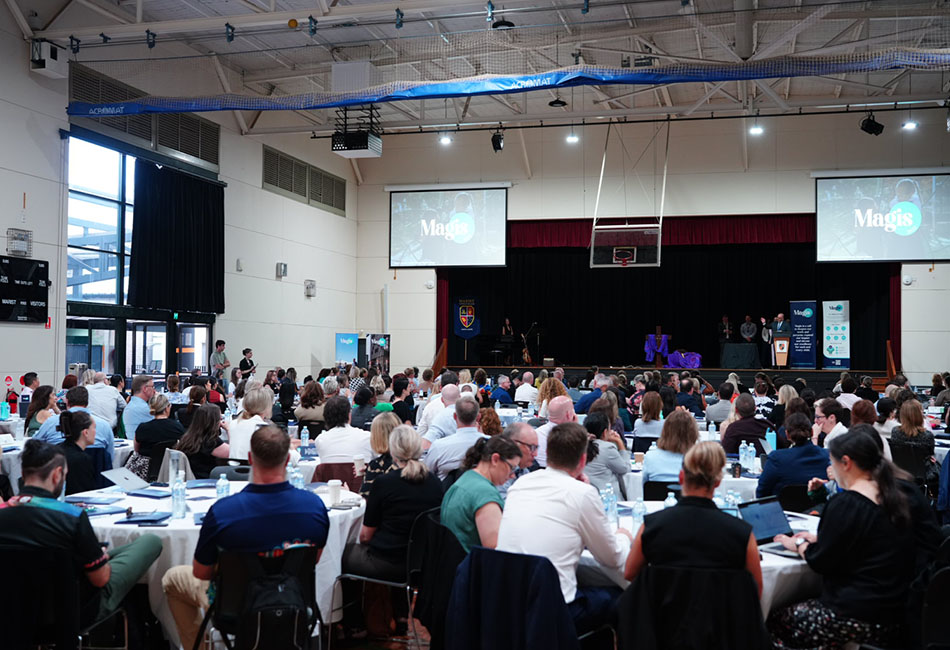
Dr. Melodie Wyttenbach and Dr. Molly McMahon held a series of talks and workshops, collaborated with leaders and staff, and visited schools, to help empower the system’s mission and vision for the future.
Here are some key insights from the week that was.
A mission brought to focus
When Sydney Catholic Schools’ new strategic vision, Magis 2033, was unveiled last month, it introduced a re-focused way of thinking about Catholic education.
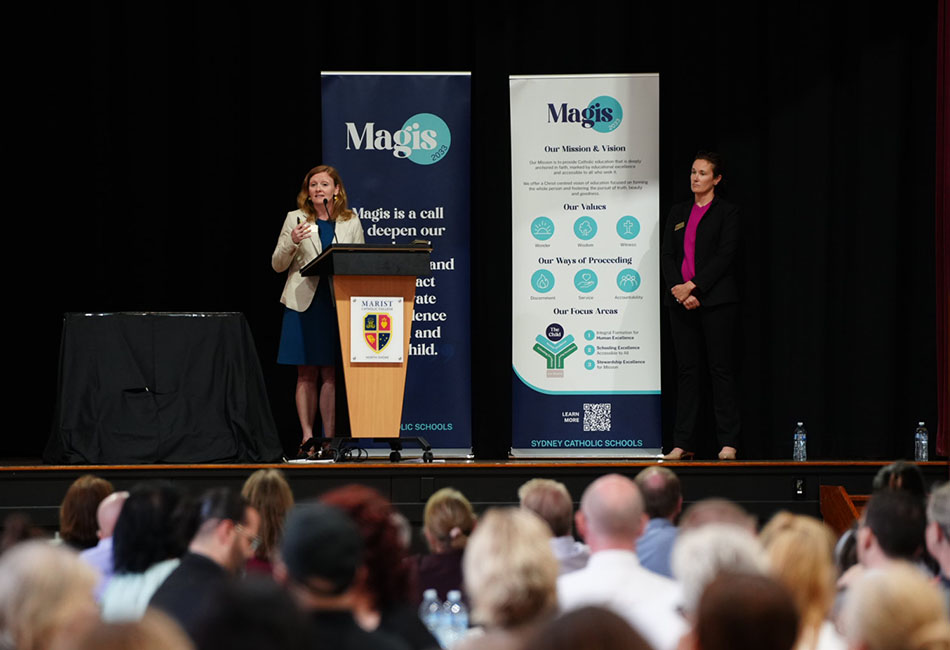
Across the week, Executive Director Danielle Cronin articulated what that vision means in practice.
“Our day to day mission is clear and comfortable: to provide Catholic education that is deeply embedded in faith, marked by educational excellence, and accessible to all who seek it,” she said.
While Magis 2033 is rich in theology, it is far from abstract. It will take shape in practical, measurable ways across Sydney Catholic Schools: from aligning initiatives to a renewed Philosophy of Education and Integral Formation Framework, to strengthening leadership formation and parish partnerships.
Clear academic targets will sit alongside wellbeing goals, and enhanced data will bring a sharpened focus on accountability to ensure the vision is not aspirational alone, but embedded in systems and structures.
“We do this with an eye to a deeper purpose by proposing a Christ centred vision, an education focused on forming the whole person, and fostering the pursuit of truth, beauty, and goodness” said Ms Cronin.
“Together our mission and vision establish our purpose. Our reason for existing. Without this distinctive purpose, we should, to put it bluntly, pack up, and go home.”
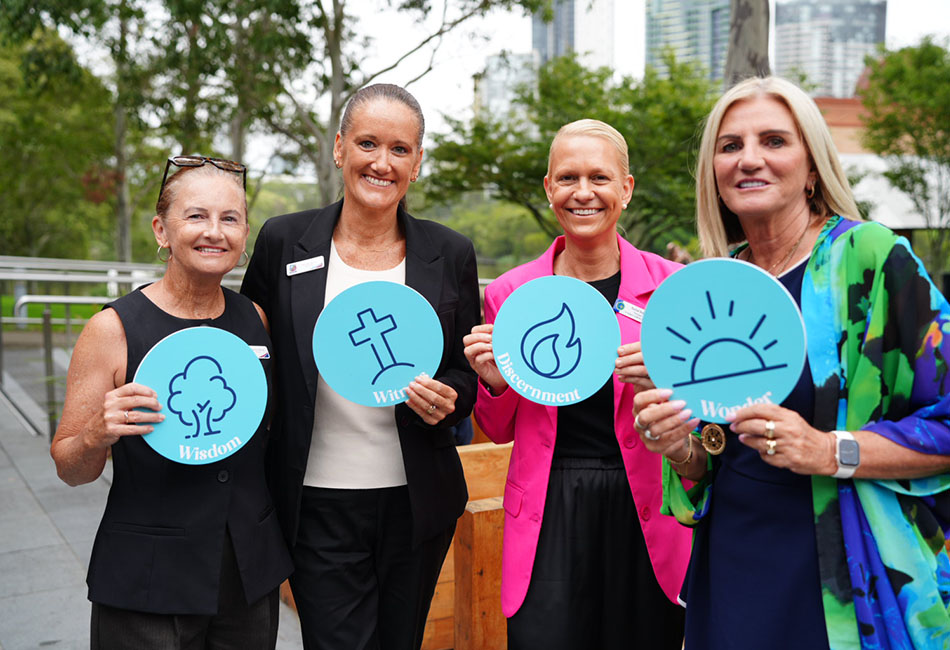
Why whole child education matters
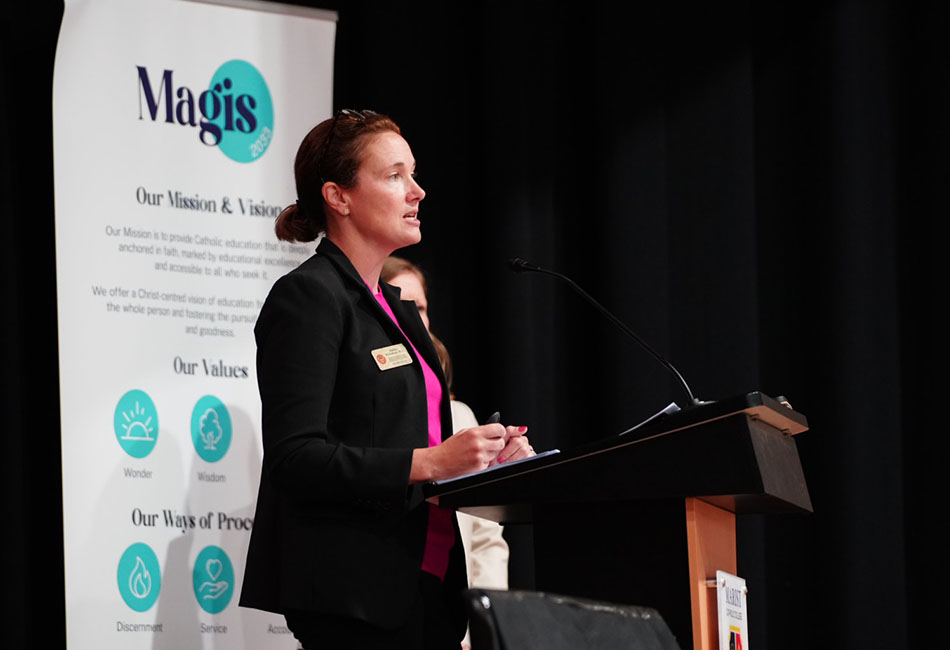
“We draw from the five traditional domains of development: cognitive, emotional, social, physical, and spiritual,” says Dr. McMahon.
“We never want these domains to be seen in isolation. This is integral formation. These dimensions are always interconnected. We cannot work on one and ignore the others.”
It’s important to note that the child, like the eco-systems around them, is dynamic — they are constantly changing, developing, growing.
“These ecosystems can complicate our work as leaders — students walk through our doors carrying the weight and complexity of the world,” says Dr. McMahon. “But those same ecosystems can also be powerful resources. We cannot educate alone.”
Dr. McMahon says that both in research and in practice, educating the whole child has been shown to yield powerful results.
“When you truly tap into all domains of a child’s development, you can see how much more they flourish and thrive; how much they do better overall in learning and with life,” she says. “There’s also a lot of statistics about the happiness factor and success factor in school and beyond.”
“It helps students to be aware of their emotions, to manage their emotions, to adapt to change, to be resilient, to be empathetic, to get along with others. When we think about holistic education, it’s truly creating full human flourishing.”
Meeting the needs of every child
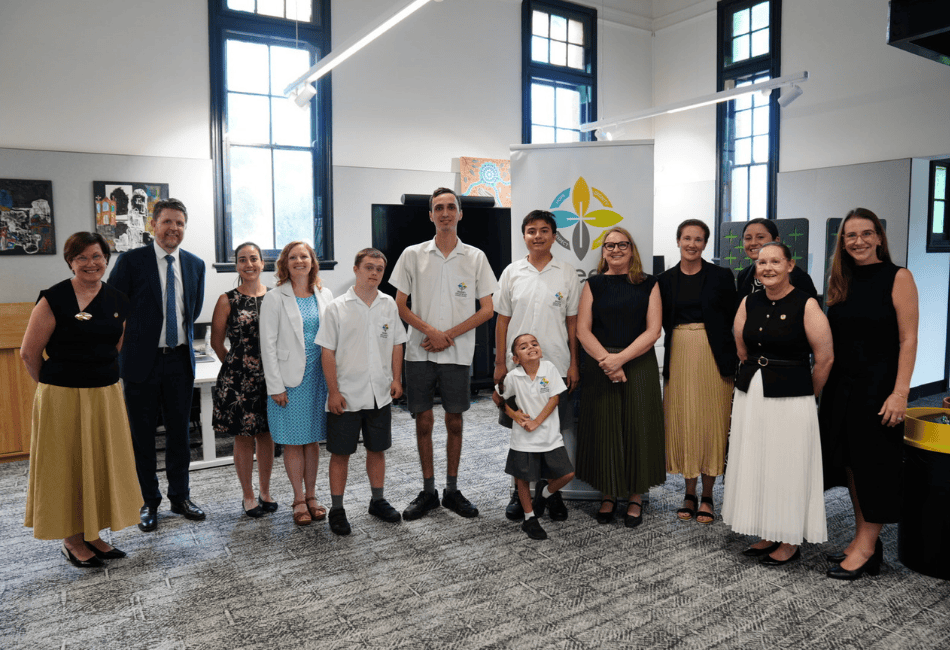
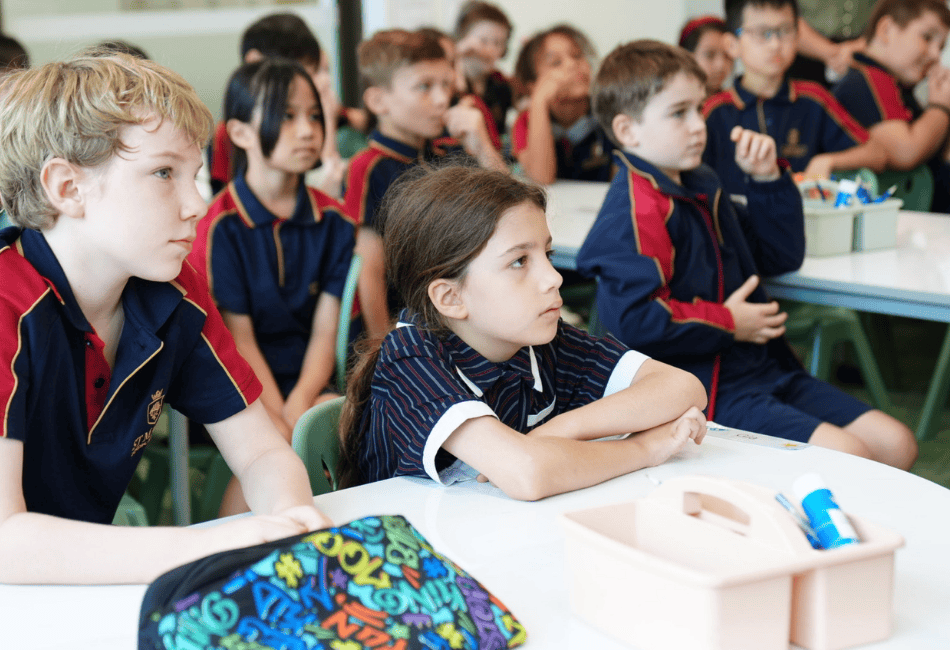
Dr. Wyttenbach and Dr. McMahon also spoke about how whole child education can better support those students with diverse learning needs.
“It really gets at this idea of cura personalis — care for the whole person. In order to care for the whole person, you have to know the whole person,” said Dr. McMahon. “Just focusing on the cognitive is a deficit mindset but when we look at them more holistically across all of their domains we can truly see them thrive.”
Dr. McMahon challenged educators to be creative, courageous and resourceful in serving those entrusted to their care.
“It really commands that we look at growth over achievement — what is the progress, what is the development that is happening with each of our students, not just what are they achieving.”
That faith-centered empathetic approach is embodied by one of the underpinning principles of the Roche Center’s framework: imago dei, the belief that everyone is made in the image and likeness of God.
“When we realise that our students are made in the image of God, it really makes us accountable to recognise their gifts” Dr. Wyttenbach said.
“And when you have opportunities to interact with children that have exceptionalities, what a more empathetic world that is, what a more beautiful world. That’s truly God’s kingdom on Earth that we are trying to build.”
A global conversation with local impact
While Dr. Wyttenbach and Dr. McMahon’s visit brought international insight to the week, the conversations that took place were distinctly local.
Workshops and school visits provided opportunities for staff and students to reflect on their own contexts, their communities, challenges and aspirations, through the lens of whole-person education.
The exchange of ideas affirmed that Catholic education is both universal and deeply personal: rooted in a shared tradition, yet lived out uniquely in each school.
The week served as a reminder that Sydney Catholic Schools is part of a global Catholic education community, united by a common mission and strengthened through collaboration.
