
Leaders gather to bring Magis 2033 to life
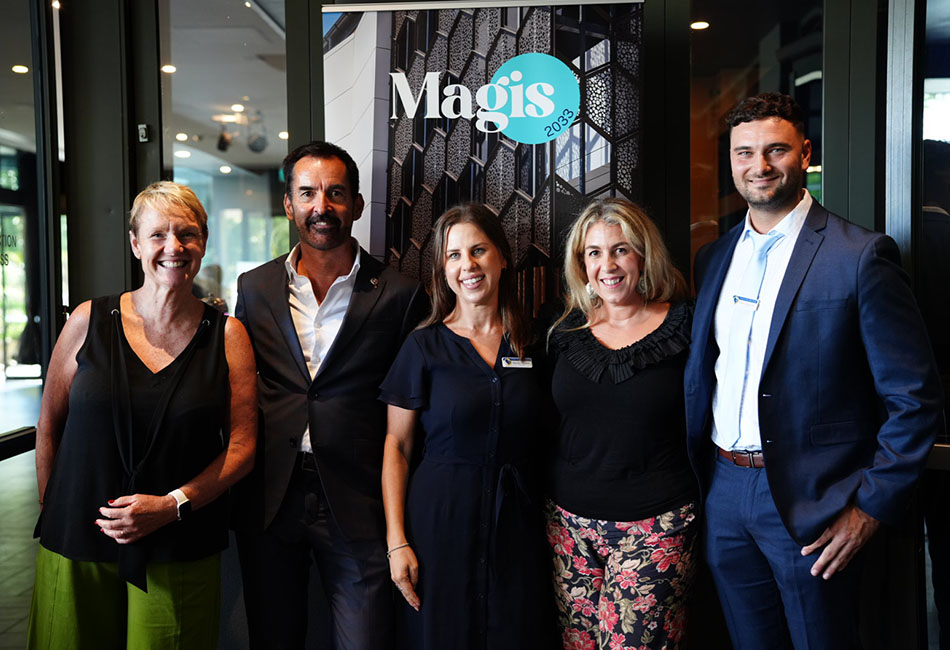
“Education must always begin with the human person and their wholeness.”
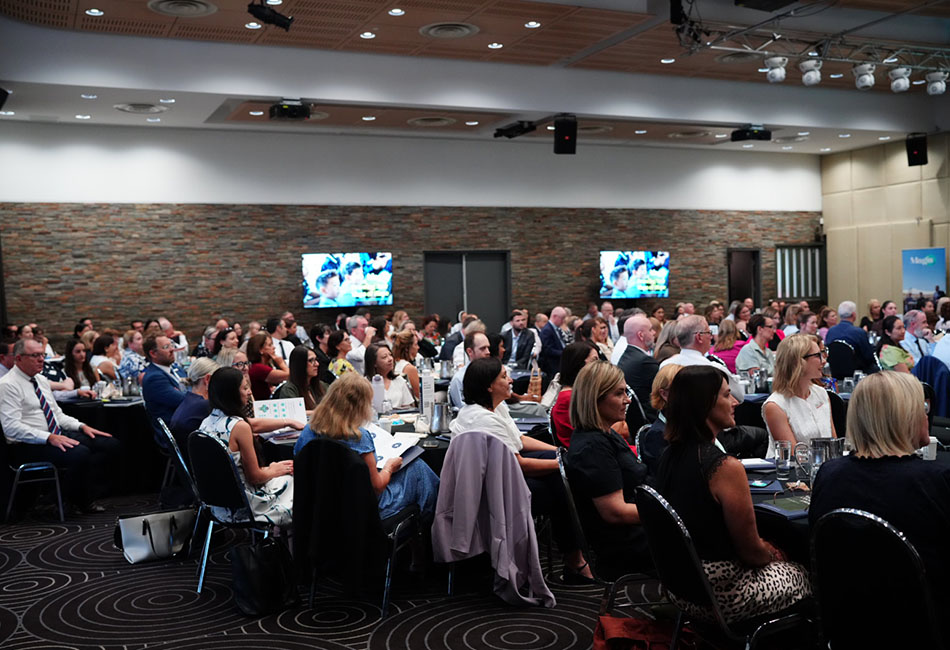
That was the core message as Sydney Catholic Schools Principals, Assistant Principals and Religious Education Coordinators came together with Boston College researchers for a day of strategic planning and faith formation.
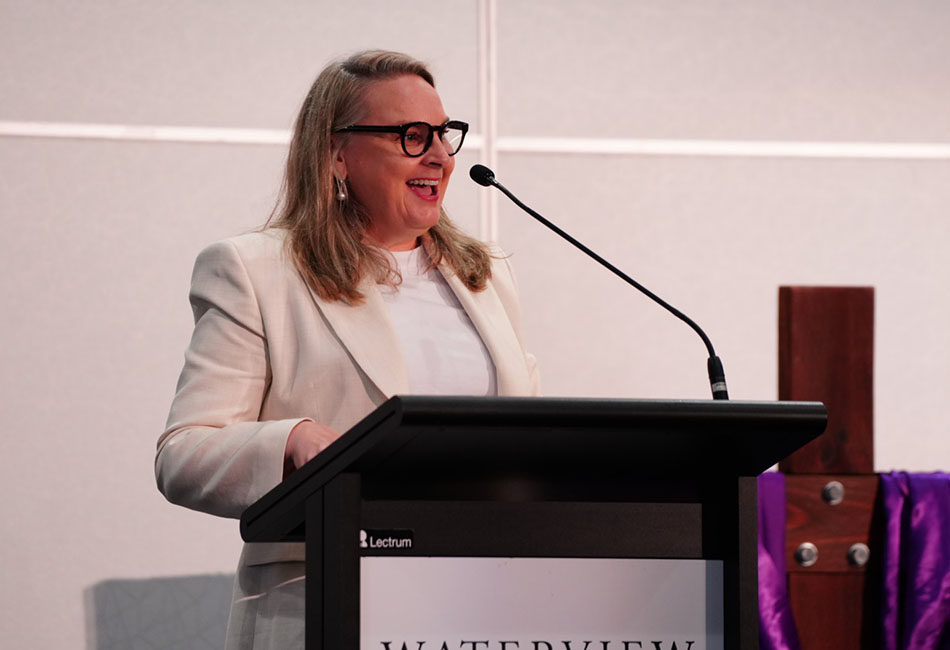
Led by Executive Director Danielle Cronin, alongside Dr. Melodie Wyttenbach and Dr. Molly McMahon from Boston College’s Roche Center for Catholic Education, it was a unique opportunity for leaders to collaborate, learn, and be empowered to better support their communities.
Central to the focus of the day was unpacking Sydney Catholic Schools’ new strategic plan, Magis 2033, and understanding how it will be implemented across the system.
Danielle Cronin explained that Magis 2033 carries with it a simple but profound vision, one that is grounded in the fundamentals of Catholic education.
“At the centre of Magis 2033 is the child. Not the system, not a program, not a metric. The child. And this reflects Pope Leo’s insistence that education must always begin with the human person and their wholeness,” Ms Cronin said.
“It reminds us that authentic education must engage the mind, the heart, and the hands because anything less fragments the person and diminishes their capacity to flourish.”
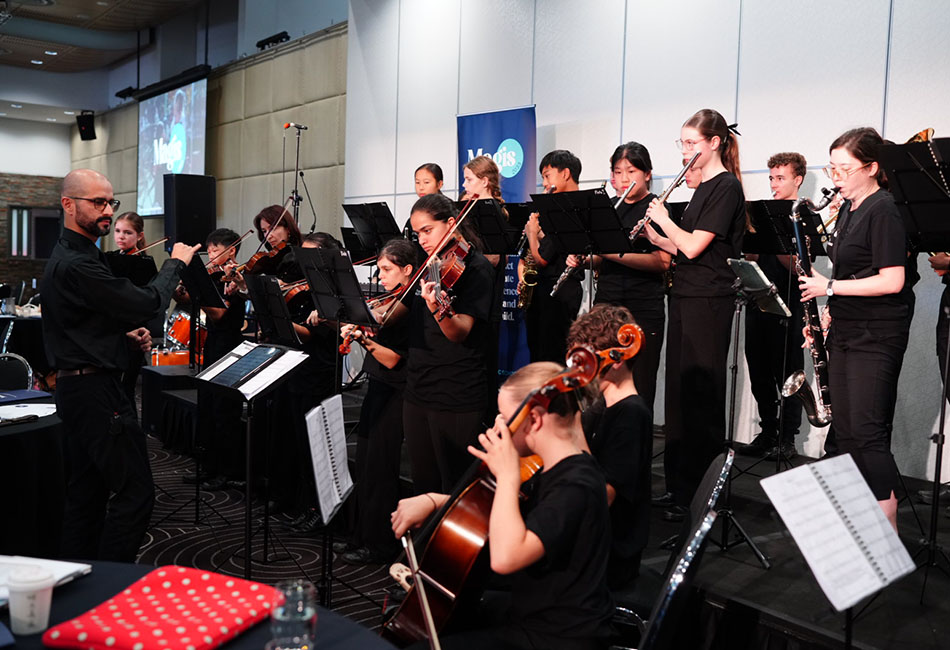
Ms Cronin invited educators to embrace their responsibilities as stewards of Catholic education, and play an active, personal role in shaping those under their care.
“Magis 2033 calls us to be bridge builders, between faith and reason, tradition and innovation, excellence and inclusion, identity and openness,” she said.
“It calls us to be confident in who we are as Catholic educators, while remaining deeply engaged in the world. It will only come fully alive when it is lived in classrooms, staff rooms, playgrounds, offices, and our broader community.”
The Roche Centre’s Melody Wyttenbach and Molly McMahon have strong expertise in leadership formation and research, particularly in relation to the integrated development of a student’s emotional, physical, social, and spiritual well-being.
Their research is closely aligned with the mission of Magis 2033 and together, they spoke about accompaniment, reminding educators of the need to be companions to others on their journeys.
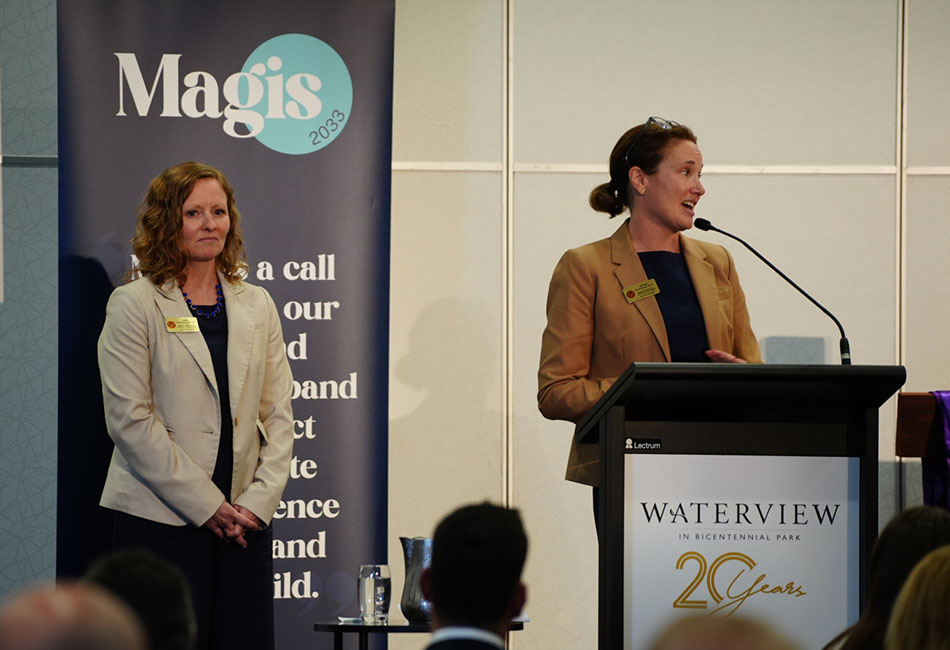
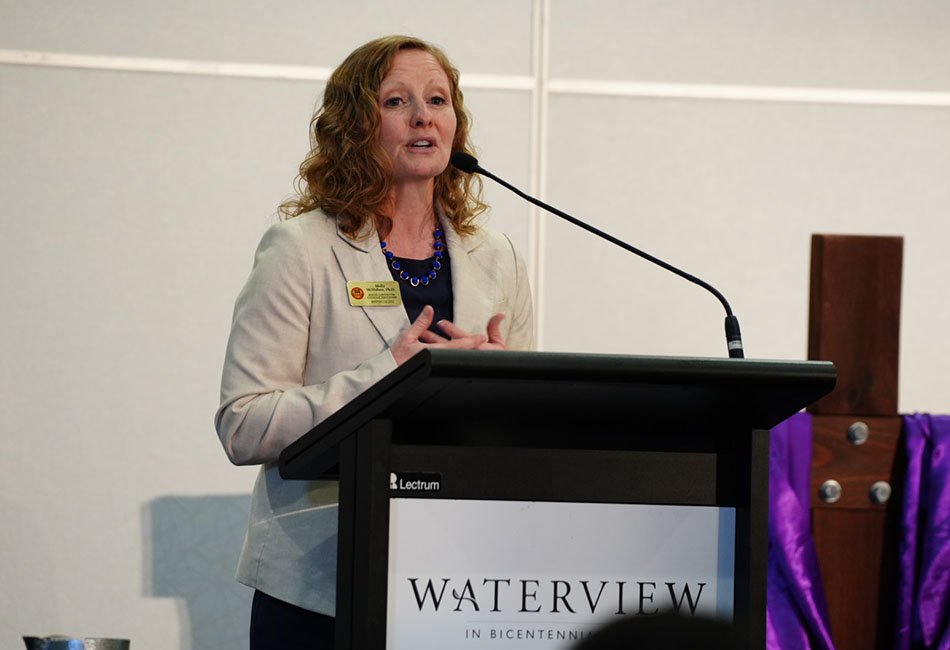
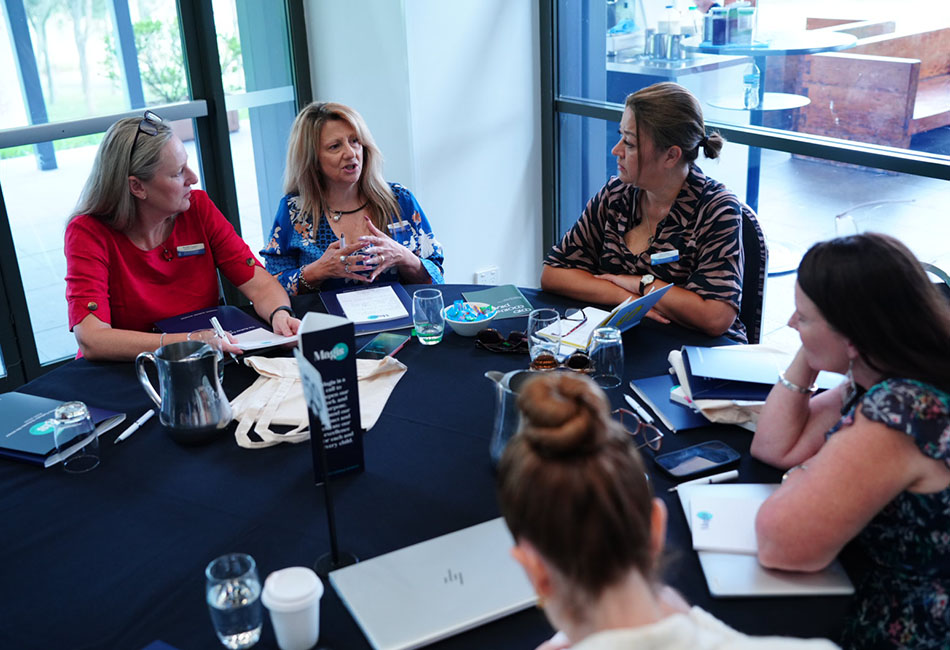
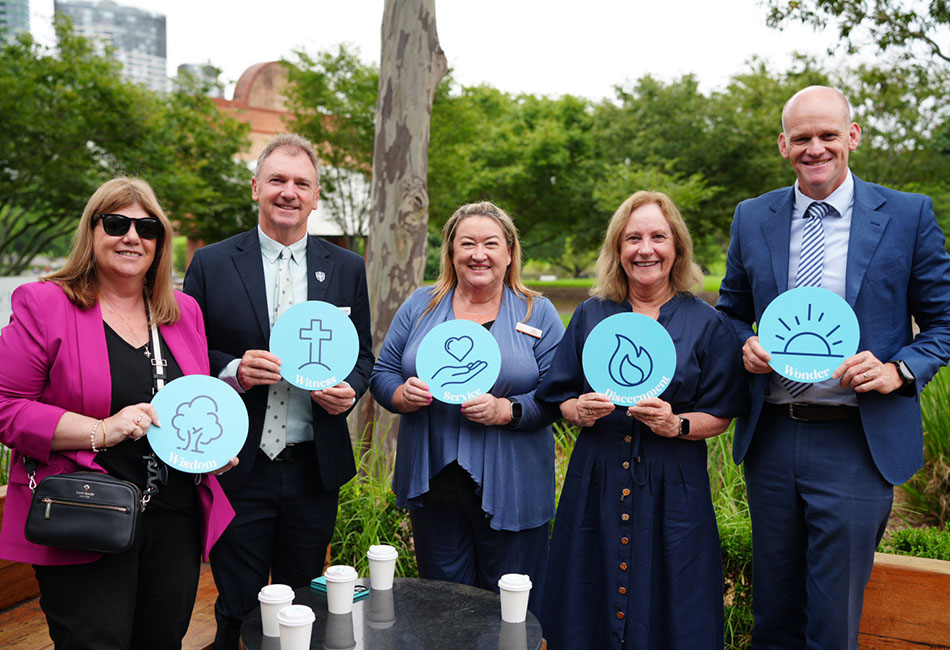
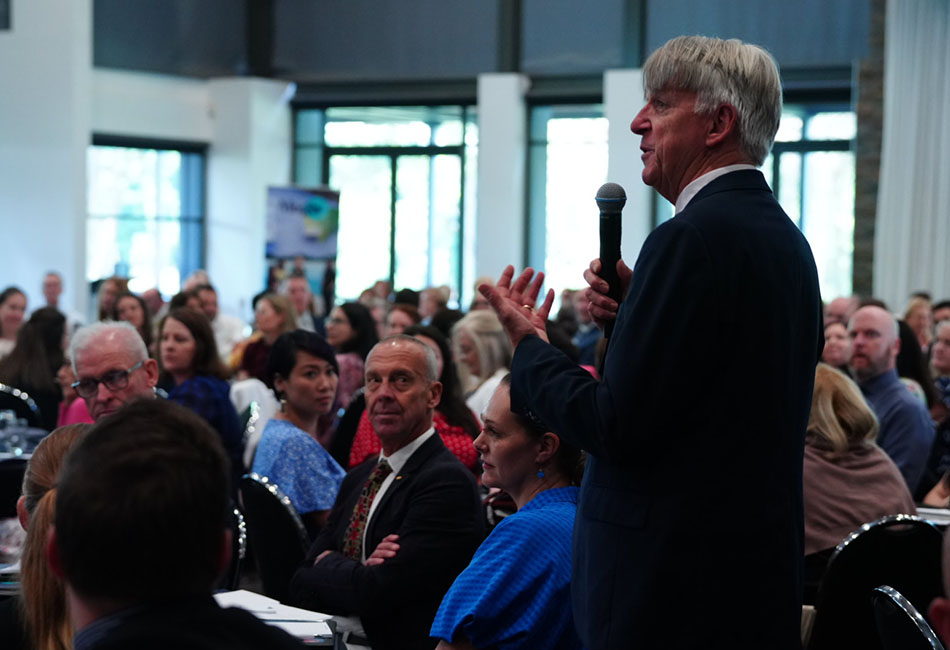
“Sometimes as school leaders, it can feel like we’re behind our staff, pushing them forward, or we are in front of students pulling them, and we never see the fruits of our labours,” Dr. McMahon said
“But when we accompany, it means we truly walk by the sides of those. We meet them exactly where they are. The work is in the people in front of you. The work is in the accompaniment of each and every person in your care.”
They also emphasised the theological principles of imago dei, the belief that everyone is made in the image and likeness of God, and dios en todo, the belief that God can be found in all things.
“When we realise that our students are made in the image of God, it really makes us accountable to recognise their gifts. It asks us, ‘How can we creatively find solutions to support every child?’” Dr. Wyttenbach said.
“This intrinsic value of the divine image compels us, as educators, to cater to the multifaceted development of our students. To think a little bit about how we see them — that even amidst the challenges, that God is present in those challenges, and those opportunities that we have to really serve.”
Dr. Wyttenbach and Dr. McMahon will spend the remainder of the week meeting with staff and visiting schools, deepening dialogue and exploring how whole-child formation can be further embedded across Sydney Catholic Schools.
