(function(w,d,s,l,i){w[l]=w[l]||[];w[l].push({'gtm.start': new Date().getTime(),event:'gtm.js'});var f=d.getElementsByTagName(s)[0], j=d.createElement(s),dl=l!='dataLayer'?'&l='+l:'';j.async=true;j.data-privacy-src= 'https://www.googletagmanager.com/gtm.js?id='+i+dl;f.parentNode.insertBefore(j,f); })(window,document,'script','dataLayer','GTM-MF9T2HG');

What every child needs right now

In National Child Protection Week, psychologist Sandra Reynolds discusses the changing face of ‘neighbourhood’ during COVID-19 and how to support your child’s wellbeing at this time.

This year’s National Child Protection Week (5-11 September) theme is: Every child, in every community, needs a fair go.

And, according to event organiser the National Association for the Prevention of Child Abuse and Neglect (NAPCAN), to treat all of Australia’s children fairly, we need to make sure that every neighbourhood has what kids need to thrive and be healthy.
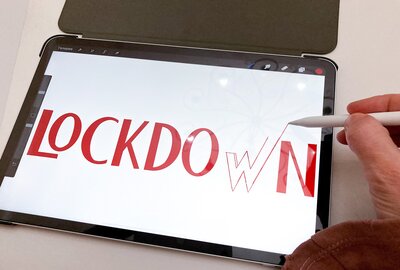
Word 'lockdown' drawn on an iPad

But has the COVID-19 lockdown reshaped how families and children think about neighbourhoods and our feelings of connectedness?

The answer is a clear and resounding yes.

‘AS HUMANS, WE CRAVE SOCIAL INTERACTIONS’

“School is such an important part of a child’s life and it provides access not only to education but so many other areas of social and emotional development,” says Sydney Catholic Schools’ Supervisor: Child Safety, Sandra Reynolds.

“Friendships with peers and positive relationships with teachers influence the experiences of students during the course of their education.

“As humans, we crave social interaction and the need to be connected is hardwired in our DNA.
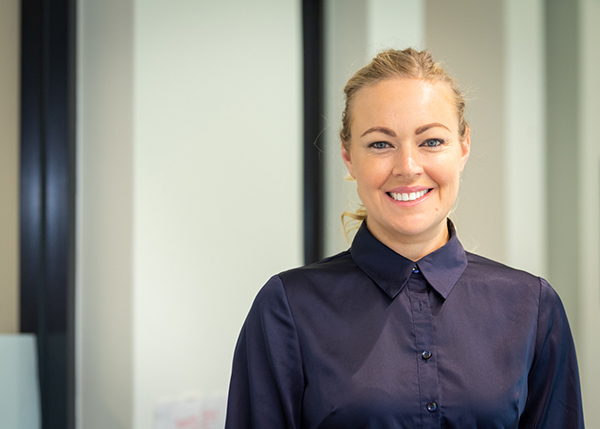
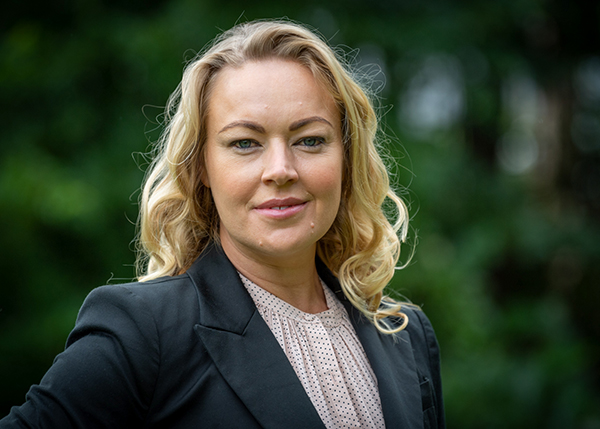
Sydney Catholic Schools psychologist and education specialist, Sandra Reynolds Sydney Catholic Schools’ psychologist, Sandra Reynolds. Photo: Kitty Beale

“Changing our routine and mode of operation to remote learning requires a level of retraining of our brains to derive the same level of connectedness in a physically non-connected world.”

SO, WHAT MAKES A ‘HEALTHY’ NEIGHBOURHOOD?

“Connectedness is one element of a healthy neighbourhood; other necessary elements include safe places to play and explore in, a balance of nature and accessible services,” explains Ms Reynolds.

“If we consider that for the majority of time during lockdown, we are being asked to make our …

September 9, 2021|

Help keep your child safe online

While educators were adapting their lessons to teach from afar, Sydney Catholic Schools’ (SCS) Child Protection Team had been bracing for these changes by creating remote learning guidelines to ensure young isolated learners are safe in their (home) school.

“Zoom and Google Hangouts are new mediums – it’s quite a novel thing to have your teachers teach into your home,” said psychologist Sandra Reynolds, who has been part of the Child Protection Team since April 2015.

“When used safely, online resources and programs can significantly enhance a student’s understanding of a concept. Children can be easily deceived online, it is far too great a responsibility for them to manage on their own.

“These guided cyber experiences in the classroom allow for exploration to occur within a safe and supervised environment. Simply said, feeling safe makes learning possible.”

Sydney Catholic Schools' psychologist Sandra Reynolds Sydney Catholic Schools’ psychologist Sandra Reynolds. Photo: Kitty Beale

Ms Reynolds said the team based the new remote learning guidelines for parents and teachers at SCS on existing distance education and tele-health videoconferencing models, including those of Alice Springs School of the Air (ASSOA) and the Australian Psychological Society.

“People in remote areas have been accessing tele-health and online learning for a long time,” she explained.

ASSOA, for example, has been broadcasting to children in isolated communities throughout the Northern Territory and parts of South Australia and Western Australia for more than 49 years.

In ASSOA’s 1.3 million square-kilometre “classroom” students take part in online lessons with their classmates and then complete follow-up activities at home, with support from their home tutors (mostly parents).

“Feeling safe makes learning possible” – Sandra Reynolds

Closer to home, the Catholic school system in the Archdiocese of Sydney is educating more than 70,000 students, at different levels of learning, affluence and technological savvy.

“Sydney Catholic …

My child is struggling in school

If you are concerned that your child is falling behind at school, it is important to intervene early.

One of the most costly mistakes a parent can make in their child’s education, is to delay dealing with any potential problems. The NSW school curriculum is delivered via learning progressions, therefore falling too far behind can affect your child’s entire education.

Learning is foundational and, like building a home, if you do not build on the proper underpinnings the whole house could collapse.

‘Check in’ the moment they ‘check out’

It is hard to provide a complete checklist of warning signs that a child is falling behind, as every child is different. However, teachers commonly identify struggling children as the ones who withdraw from some or all subject areas.

Examples of this may include assignments not being attempted, class exercises left incomplete and homework largely ignored. A child may also misbehave to distract attention away from their learning difficulties.

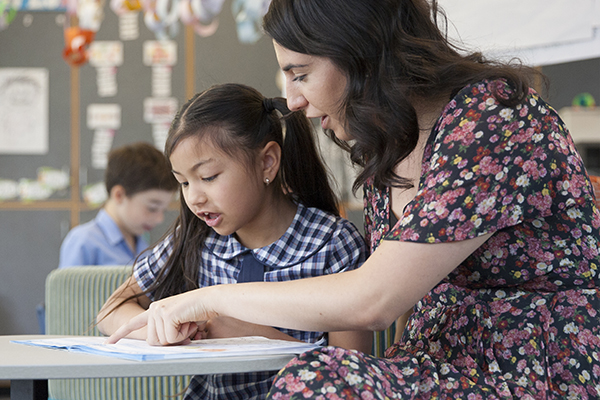
A teacher helps a primary school student with her school work A teacher helps a primary school student with her school work. Photo: Kitty Beale

Ask about their day

One of the best ways parents can determine their child’s weak subjects is to ask them about their day. If they are happy to talk about English and history in detail but refuse to discuss maths, then this may flag problems in that subject area.

This is the time for parents, in consultation with their school, to assess their child’s engagement and to see if they have developed the necessary skills, knowledge and understanding to progress in the subject.

Clean and routine

Another key factor that may assist a student to maintain their academic performance is a clean environment and a structured routine. Routines can also play a part in helping anxious children cope with …

Go to Top